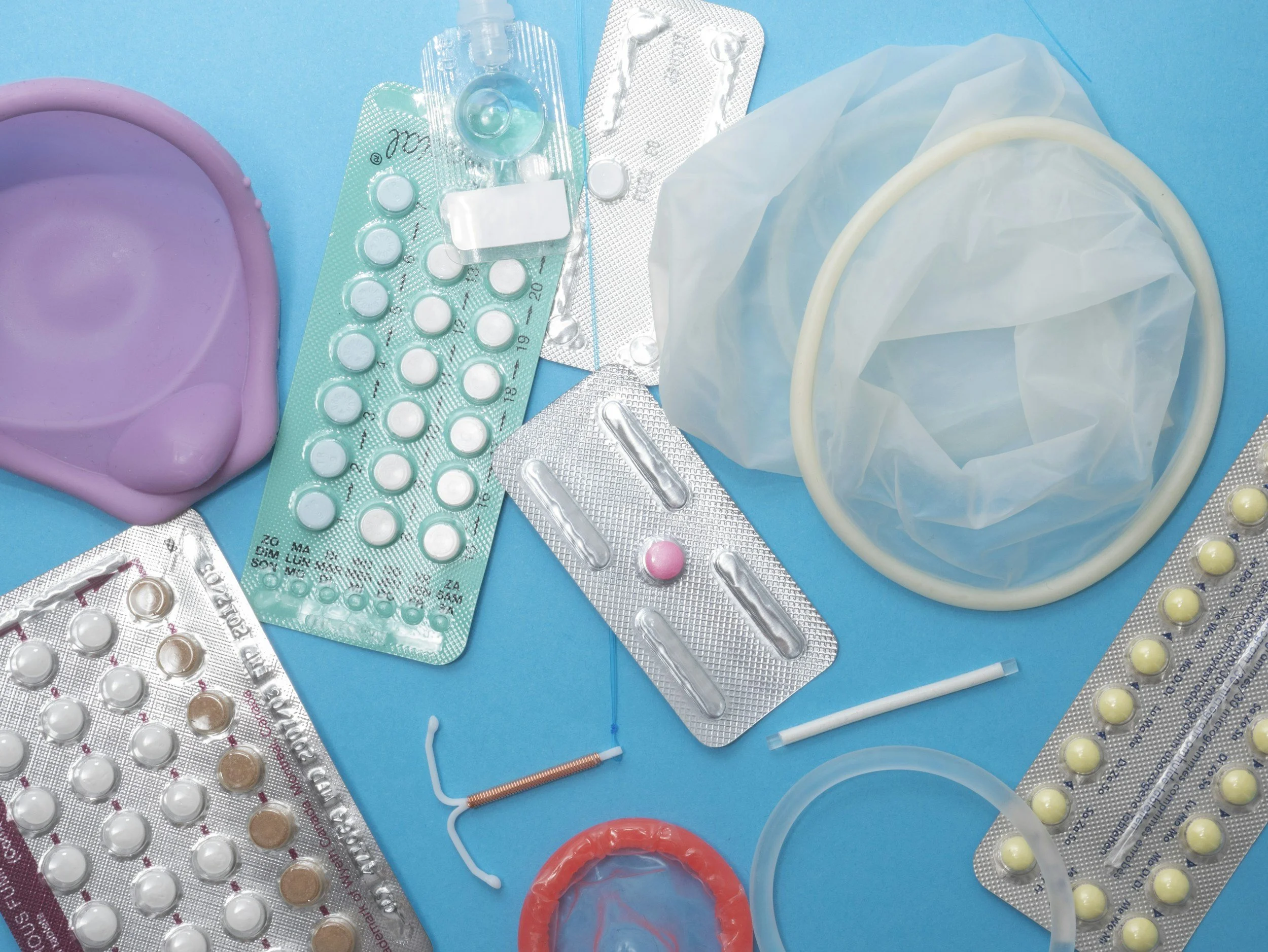
Sexual Health & Sexual Function
Understanding Desire, Arousal, Performance, and Sexual Well-Being
Few aspects of life generate as much anxiety, confusion, and self-doubt as sexual functioning.
People often assume that sex should be natural, automatic, and effortless. Popular culture reinforces the idea that attraction should be obvious, desire should appear on demand, and sexual experiences should unfold smoothly if two people care about one another. When reality fails to match those expectations, many individuals begin wondering whether something is wrong with them, their relationship, or their body.
The truth is that sexual functioning is often far more complex than people realize.
Sexual experiences are influenced by physical health, emotional well-being, stress levels, relationship dynamics, self-confidence, life circumstances, beliefs about sexuality, past experiences, communication patterns, and countless other factors. What happens in the bedroom is rarely confined to the bedroom. Sexual functioning often reflects broader aspects of a person's life and relationships.
This complexity can be frustrating because people naturally want simple answers. They want to know why desire has changed, why arousal feels inconsistent, why intimacy feels different than it once did, or why something that previously felt effortless now requires attention. Yet many sexual concerns develop through multiple interacting factors rather than a single identifiable cause.
One of the most important things to understand is that experiencing changes in sexual functioning does not automatically mean there is a serious problem. Human sexuality is dynamic. Desire fluctuates. Bodies change. Relationships evolve. Stress rises and falls. What feels normal at one stage of life may feel very different at another.
This section explores sexual desire, arousal, performance anxiety, erectile difficulties, orgasm concerns, intimacy, sexual confidence, aging, health, and the many factors that influence sexual well-being throughout life. The goal is not to create unrealistic expectations about what sexuality should look like. It is to help people better understand the realities of how sexuality often functions in everyday life.
What Does Healthy Sexual Function Actually Mean?
One reason sexual concerns create so much anxiety is that many people have never developed a realistic definition of healthy sexual functioning.
Instead, they rely on assumptions gathered from movies, pornography, social media, friends, cultural messages, or limited personal experiences. These sources often create unrealistic standards that leave people feeling inadequate even when their experiences fall well within the range of normal.
Many individuals assume that healthy sexuality means consistently high desire, effortless arousal, perfect performance, frequent intimacy, and complete confidence. When reality inevitably differs from that idealized image, self-doubt begins to emerge.
In practice, healthy sexual functioning is usually much more flexible.
Healthy sexuality allows room for variation. Desire changes. Energy levels fluctuate. Bodies respond differently under stress. Emotional connection influences physical experiences. Relationships move through different seasons. None of these realities automatically indicate dysfunction.
What matters is not whether a person's sexuality perfectly matches an external standard. What matters is whether their sexual experiences feel satisfying, authentic, consensual, and aligned with their needs and values.
For some individuals, a healthy sexual life involves frequent intimacy. For others, it involves less frequent but deeply meaningful connection. Some people prioritize novelty and exploration. Others value consistency and familiarity. There is no single formula that defines healthy sexuality for everyone.
The challenge is that many people spend years comparing themselves to unrealistic expectations rather than paying attention to their own experiences. As a result, they become preoccupied with performance rather than connection.
A healthier perspective often begins by shifting the question. Instead of asking whether their sexuality measures up to some external standard, people can begin asking whether their sexual experiences contribute positively to their overall well-being and relationships.
Why Sexual Desire Changes
One of the most common questions people ask is why their sex drive has changed.
This concern appears across every age group, relationship status, gender, and sexual orientation. Individuals who once experienced strong desire may notice a decrease. Others find that desire fluctuates unpredictably. Some wonder why they rarely think about sex at all, while others worry that they think about it too much.
The first thing to understand is that fluctuations in desire are normal.
Human sexuality is responsive to context. Stress, fatigue, relationship satisfaction, physical health, emotional well-being, medication, sleep quality, hormones, aging, life transitions, and daily responsibilities can all influence sexual interest. Desire does not exist independently from the rest of life. It responds to the environments in which people live.
This reality often surprises individuals who expect desire to function like an on-off switch. They assume that attraction alone should automatically create consistent sexual interest. While attraction certainly matters, it is only one factor among many.
For example, a person may deeply love their partner while simultaneously feeling exhausted, overwhelmed, or emotionally disconnected. Another may experience strong attraction but struggle with anxiety that interferes with sexual interest. Someone else may notice changes associated with aging, medication, health conditions, or major life transitions.
Relationship dynamics also play an important role. Resentment, unresolved conflict, communication problems, emotional distance, or chronic stress can influence desire in ways that are not immediately obvious. Sometimes people assume they have a sexual problem when the underlying issue is actually relational or emotional.
Understanding why desire changes often requires looking beyond sex itself. Sexuality rarely exists in isolation. It is connected to nearly every other aspect of human life.
Responsive Desire Versus Spontaneous Desire
One of the most helpful concepts many people encounter is the distinction between spontaneous and responsive desire.
Popular culture largely focuses on spontaneous desire. This is the experience most people imagine when they think about sexual interest. Desire appears first. A person feels sexually interested and then seeks intimacy. Many movies, television shows, and romantic narratives are built around this model.
While spontaneous desire certainly exists, it is not the only way people experience sexuality.
Many individuals experience what researchers often refer to as responsive desire. In these situations, desire emerges after intimacy begins rather than before. A person may not feel particularly interested in sex while folding laundry, answering emails, or dealing with daily responsibilities. Yet once emotional connection, physical affection, relaxation, or intimacy begins, desire develops naturally.
This distinction is important because many people mistakenly interpret responsive desire as evidence that something is wrong. They compare themselves to unrealistic expectations and conclude that they have lost their sex drive because they are not constantly thinking about sex.
In reality, many healthy individuals experience desire primarily in response to context rather than independently of it.
Understanding this concept often creates significant relief. It helps people recognize that there is more than one pathway to healthy sexuality. Rather than forcing themselves to fit a particular model, they can begin understanding the unique ways their own desire tends to operate.
For many couples, this insight changes conversations about intimacy dramatically. Instead of asking why desire is absent, they begin exploring what conditions tend to support it.
Performance Anxiety and the Pressure to Get It Right
Few factors interfere with sexual functioning more reliably than anxiety.
When people become worried about performance, they often shift their attention away from the experience itself and toward monitoring how well they are doing. They begin evaluating themselves instead of engaging with their partner. Sex becomes less about connection and more about avoiding failure.
This dynamic can affect people in many different ways.
Some worry about erections. Others worry about orgasm. Some become preoccupied with body image, attractiveness, stamina, or whether they are satisfying their partner. Others fear rejection, judgment, embarrassment, or disappointing someone they care about.
The specific concern varies, but the underlying process is often similar.
Sexual arousal generally requires a degree of presence. Anxiety pulls attention in the opposite direction. Instead of focusing on sensation, connection, pleasure, and intimacy, people become trapped in analysis. They monitor every physical response, interpret every fluctuation as evidence of success or failure, and place themselves under increasing pressure.
Unfortunately, this pressure tends to create exactly the outcomes people fear.
A minor difficulty becomes a major concern. The fear of a problem creates more anxiety. More anxiety increases the likelihood of future difficulties. Over time, a cycle develops in which the anticipation of failure becomes almost as influential as the original issue itself.
Many individuals are surprised to discover how common performance anxiety actually is. They assume everyone else feels confident and relaxed during sexual experiences. In reality, concerns about performance affect people across age groups, relationship statuses, sexual orientations, and experience levels.
Understanding this reality can be reassuring because it helps normalize an experience that often feels intensely personal. Performance anxiety is not necessarily a sign that something is wrong. It is often a predictable response to pressure, expectations, and fear.
The Connection Between Emotional Intimacy and Sexual Intimacy
Sexuality is often discussed as though it exists separately from emotional connection.
For many people, the two are deeply intertwined.
This does not mean emotional intimacy is required for every sexual experience. Human sexuality is far too diverse for such a simple rule. What it does mean is that emotional dynamics frequently influence sexual experiences in ways people do not always recognize.
Trust, communication, vulnerability, safety, affection, appreciation, and emotional closeness can all affect sexual functioning. When these areas feel strong, intimacy often feels easier. When they are strained, sexual difficulties sometimes emerge even when neither partner initially recognizes the connection.
Many couples focus exclusively on sexual symptoms while overlooking relational dynamics that may be contributing to them. They discuss frequency but not resentment. They discuss desire but not emotional distance. They discuss performance but not communication.
This is one reason sexual concerns often benefit from a broader perspective. What appears to be a sexual issue may actually reflect something happening elsewhere in the relationship.
At the same time, emotional intimacy is not a cure-all. Some sexual concerns are influenced primarily by physical health, medication, hormones, anxiety, aging, or other factors. The key is recognizing that sexuality exists within a larger ecosystem of human experience rather than treating it as an isolated function.
For many individuals and couples, meaningful improvements begin when they stop viewing sexual functioning as a standalone problem and start exploring the broader context in which their sexuality exists.
Articles
Start Here
Responsive Desire vs Spontaneous Desire
Low Libido: Causes, Meaning, and Next Steps
Erectile Dysfunction and Confidence
Rebuilding Intimacy After Sexual Difficulties
Difficulty Reaching Orgasm
How to Talk About Sexual Function With a Partner
Aging and Sexual Desire
Desire Discrepancy
Desire and libido
Responsive Desire vs Spontaneous Desire
Low Libido: Causes, Meaning, and Next Steps
Aging and Sexual Desire
Desire Discrepancy
Stress and Sexual Desire
High Libido and Relationship Stress
Male sexual function
Erectile Dysfunction and Confidence
Performance Anxiety
Premature Ejaculation
When to Talk to a Medical Provider
Delayed Ejaculation
Loss of Morning Erections
Couple dynamics
Rebuilding Intimacy After Sexual Difficulties
How to Talk About Sexual Function With a Partner
Creating a More Relaxed Sexual Connection
Medical Issues and Relationship Intimacy
When Sex Becomes a Source of Anxiety
Reducing Pressure Around Sex
Female sexual function
Difficulty Reaching Orgasm
Pain During Sex
Rebuilding Comfort With Sex
Vaginal Dryness and Intimacy
Arousal Difficulties
Menopause and Sexual Function
Confidence and well-being
Shame and Sexual Performance
Body Image and Sexual Function
Building a Healthier Relationship With Sex
Sexual Anxiety
What Healthy Sexual Function Actually Means
Related topics
Relationships & Intimacy
Men’s Sexuality
Women’s Sexuality & Intimacy
Partners & Spouses
Pornography & Compulsive Sexual Behaviors

Erectile Difficulties and What They Actually Mean
Few sexual concerns create more anxiety than erectile difficulties.
For many men, erections become closely linked to identity, confidence, masculinity, desirability, and self-worth. As a result, even occasional difficulties can feel deeply personal. A single experience may lead someone to question their health, attractiveness, relationship, or future sexual functioning.
One of the biggest misconceptions surrounding erections is the belief that healthy men should be able to achieve and maintain erections whenever they choose. Human physiology does not work that way.
Erections are influenced by a wide range of factors, including stress, fatigue, anxiety, alcohol use, medication, physical health, cardiovascular function, hormonal changes, relationship dynamics, emotional well-being, and simple fluctuations in daily life. Even healthy individuals occasionally experience situations where erections do not occur as expected.
Unfortunately, many people interpret these experiences catastrophically.
A single episode creates concern. Concern creates anxiety. Anxiety increases monitoring and self-consciousness. The next sexual experience becomes a test rather than an opportunity for connection. When attention shifts toward performance, the likelihood of future difficulties often increases.
This cycle is remarkably common. In many cases, the fear of erectile difficulties becomes more disruptive than the original experience itself.
At the same time, persistent erectile concerns should not automatically be dismissed. Sexual functioning can sometimes provide valuable information about overall health. Cardiovascular conditions, diabetes, medication side effects, sleep disorders, hormonal changes, and other medical factors may influence erectile functioning. Because blood flow plays an important role in erections, sexual health sometimes reflects broader physical health trends.
The most helpful approach is usually one of curiosity rather than panic. Occasional difficulties are common. Persistent concerns deserve attention. Neither situation automatically defines a person's worth, attractiveness, or masculinity.
Orgasm, Performance, and Unrealistic Expectations
Many people assume that orgasm should occur easily if attraction and desire are present.
When reality proves more complicated, frustration often follows.
Some individuals experience difficulty reaching orgasm. Others find that orgasm occurs more quickly than they would prefer. Some notice significant variability depending on the situation, partner, stress level, or emotional state. Many become worried that their experiences indicate something is wrong.
Like most aspects of sexuality, orgasm is influenced by far more than physical stimulation alone.
Stress, anxiety, relationship quality, medication, emotional safety, body image, health conditions, expectations, and previous experiences can all influence orgasmic response. What happens psychologically often affects what happens physically.
One reason orgasm concerns become so frustrating is that many people begin trying harder.
This reaction is understandable but often counterproductive. The more someone focuses on reaching orgasm, the more pressure enters the experience. Instead of paying attention to pleasure, connection, and sensation, they begin evaluating progress toward a specific outcome. Sexual experiences become goal-oriented rather than experiential.
For some people, this creates a paradox. The harder they try to achieve orgasm, the more difficult it becomes.
Pornography and popular media often reinforce unrealistic expectations regarding orgasm. They portray sexual experiences as highly predictable and consistently intense. Real-life sexuality tends to be more variable. Human beings do not always respond the same way every time. Desire fluctuates. Arousal fluctuates. Orgasms fluctuate.
Healthy sexual experiences are not necessarily defined by whether orgasm occurs. While orgasm can certainly be meaningful and pleasurable, reducing sexuality to a single outcome often overlooks many other aspects of intimacy, connection, and enjoyment.
When people begin viewing sexual experiences more broadly, they often discover that pressure decreases and satisfaction increases.
Body Image and Sexual Confidence
Many sexual difficulties have less to do with sex and more to do with self-perception.
Body image plays an enormous role in sexual experiences. Individuals who feel self-conscious about their appearance often spend a significant amount of time monitoring themselves rather than participating fully in intimacy. They worry about weight, aging, attractiveness, muscle tone, scars, body shape, skin, hair loss, or countless other perceived imperfections.
These concerns affect people of every gender, age group, and sexual orientation.
One of the challenges with body image is that self-consciousness tends to direct attention inward. Instead of experiencing connection, people begin evaluating themselves from an outside perspective. They wonder how they look, what their partner is noticing, or whether they measure up to perceived standards of attractiveness.
This mental shift can dramatically influence sexual experiences.
Intimacy generally requires a degree of presence. Self-monitoring pulls attention away from that presence and redirects it toward criticism and evaluation. Over time, this pattern can create anxiety, avoidance, and diminished confidence.
Many people assume confidence comes from achieving a particular appearance. They believe they will finally feel comfortable once they lose weight, gain muscle, look younger, or eliminate perceived flaws. While changes in appearance may influence confidence, lasting sexual confidence tends to develop through a different process.
Sexual confidence is often less about appearance and more about acceptance.
It emerges when people become less focused on meeting impossible standards and more focused on engaging authentically with themselves and their partners. Individuals who feel comfortable in their own bodies are not necessarily those who meet cultural ideals of attractiveness. More often, they are those who have learned to stop treating their bodies as projects that must be perfected before intimacy becomes possible.
Aging and Sexuality Across the Lifespan
One of the most persistent myths about sexuality is that it belongs primarily to the young.
In reality, sexuality remains an important part of life for many people well into later adulthood. What often changes is not the presence of sexuality but the way it is experienced.
Bodies naturally evolve over time. Hormonal shifts occur. Recovery times change. Energy levels fluctuate. Health conditions become more common. Sexual responses may become less predictable than they were during earlier stages of life.
These changes can be frustrating when people expect sexuality to remain exactly the same forever.
Many individuals interpret normal age-related changes as evidence that something is wrong. They compare current experiences to earlier decades rather than recognizing that sexuality, like every other aspect of human life, continues to evolve.
For men, aging may influence erections, arousal patterns, recovery periods, and overall sexual functioning. For women, menopause can affect desire, comfort, arousal, and physical responses. Both men and women often experience broader life changes involving health, caregiving responsibilities, stress, and relationship dynamics that influence sexuality as well.
What many people eventually discover is that satisfying sexuality does not depend exclusively on maintaining youthful functioning.
In fact, some individuals report greater confidence, communication, self-awareness, and emotional intimacy later in life than they experienced during their younger years. While physical changes may require adaptation, they do not automatically eliminate the possibility of meaningful and fulfilling sexual experiences.
Healthy sexuality is not defined by age. It is defined by a person's ability to engage with their sexuality in ways that feel authentic, satisfying, and aligned with their life circumstances.
Hormones, Medication, and Physical Health
When people encounter sexual difficulties, they often focus immediately on psychological explanations.
While emotional and relational factors certainly matter, physical health can play an important role as well.
Hormonal changes influence desire, energy, mood, arousal, and sexual functioning. Testosterone, estrogen, thyroid hormones, and other biological factors contribute to complex systems that affect sexuality in different ways throughout life.
Medication can also influence sexual experiences. Certain antidepressants, blood pressure medications, hormonal treatments, and other commonly prescribed medications may affect desire, arousal, erections, lubrication, orgasm, or overall sexual satisfaction.
Because sexuality is so personal, many people hesitate to discuss these concerns with healthcare providers. They assume the issue is embarrassing or insignificant. Others worry that bringing up sexual concerns will make them appear vain, immature, or overly focused on sex.
In reality, sexual health is an important part of overall well-being.
Changes in sexual functioning sometimes provide valuable information about broader physical health concerns. They may reflect medication effects, sleep problems, cardiovascular issues, hormonal shifts, chronic stress, or other factors that deserve attention.
This does not mean every sexual concern has a medical explanation. Many do not. The point is that sexuality exists at the intersection of physical, emotional, relational, and psychological experiences. Looking at only one piece of that puzzle often leads to incomplete conclusions.
For many individuals, meaningful improvements begin when they stop searching for a single cause and start recognizing how multiple factors may be interacting simultaneously.
The Myth of Being Naturally Good at Sex
Many people carry an unspoken belief that sexual skill should come naturally.
They assume that confident, attractive, or experienced individuals simply know what to do. When their own experiences involve uncertainty, awkwardness, communication challenges, or learning curves, they conclude they are somehow inadequate.
This belief creates enormous pressure.
The reality is that sexuality is not a fixed talent. It is a relational experience that involves communication, curiosity, adaptability, emotional awareness, and ongoing learning. What works with one partner may not work with another. What feels pleasurable during one stage of life may change during another.
The most satisfying sexual relationships are often not those involving people who possess perfect technique. They are relationships in which partners feel safe communicating honestly about needs, desires, boundaries, concerns, and preferences.
Unfortunately, many individuals avoid these conversations because they fear appearing inexperienced or insecure. They assume they should already know the answers. As a result, they rely on assumptions rather than communication.
One of the healthiest shifts people can make is moving from performance to exploration.
Instead of asking whether they are good enough, they begin asking whether they are curious enough to learn. Instead of treating sex like a test, they begin treating it like a conversation.
That shift often transforms not only sexual experiences but also the quality of intimacy within relationships.

Mismatched Desire and When Partners Want Different Things
Few relationship challenges create as much confusion and frustration as differences in sexual desire.
Many couples assume that healthy relationships should involve similar levels of interest in sex. When one partner wants intimacy more frequently than the other, both people often begin wondering whether something is wrong. The higher-desire partner may feel rejected, unwanted, or lonely. The lower-desire partner may feel pressured, criticized, or misunderstood.
Unfortunately, these situations are incredibly common.
Human beings differ in their sexual interests, priorities, energy levels, life circumstances, stress responses, and ways of experiencing desire. Even couples who begin relationships with similar levels of sexual interest often experience shifts over time. Careers become more demanding. Children arrive. Health changes. Stress accumulates. Relationships evolve. Sexual desire responds to all of these factors.
One of the most damaging assumptions couples make is treating desire differences as evidence that one person is right and the other is wrong. In reality, mismatched desire is usually not a character flaw. It is a relationship dynamic that requires understanding and communication.
The problem often escalates when partners stop talking openly about what they are experiencing. The higher-desire partner may pursue intimacy more aggressively. The lower-desire partner may begin withdrawing to avoid pressure. Over time, both people become increasingly frustrated while feeling less understood.
Healthy conversations about desire tend to focus less on blame and more on understanding. What does intimacy mean to each partner? What factors support desire? What factors interfere with it? What needs are being expressed beneath the conversation about sex?
Many couples discover that what initially appears to be a disagreement about frequency is actually a conversation about connection, affection, validation, emotional safety, or feeling valued within the relationship.
Sexual Pain, Discomfort, and Avoidance
For some individuals, sexual difficulties involve more than desire or performance.
Pain, discomfort, anxiety, or fear associated with intimacy can significantly affect sexual experiences. These concerns are often more common than people realize, yet many individuals hesitate to discuss them because they feel embarrassed, confused, or unsure whether their experiences are normal.
Pain during sexual activity can have many possible causes. Physical health conditions, hormonal changes, medical concerns, pelvic floor issues, medication effects, stress, and emotional factors may all play a role. Because sexuality involves both body and mind, discomfort can sometimes create cycles that become increasingly difficult to interrupt.
A person who anticipates pain may become anxious before intimacy. Anxiety can increase physical tension. Increased tension can contribute to greater discomfort. Over time, avoidance may begin to feel safer than attempting to navigate repeated negative experiences.
These dynamics can affect relationships in significant ways. Partners may misinterpret avoidance as rejection. Individuals experiencing discomfort may feel guilty, frustrated, or disconnected from aspects of themselves they once enjoyed. Both people may find themselves struggling to discuss what is happening openly.
One of the most important things to understand is that pain should not simply be accepted as an unavoidable part of sexuality. Persistent discomfort deserves attention. At the same time, addressing these concerns often requires looking beyond the physical symptoms alone. Emotional experiences, relationship dynamics, anxiety, expectations, and communication frequently influence how sexual difficulties are experienced and maintained.
Meaningful improvement often begins when people stop suffering in silence and start approaching these concerns with curiosity, information, and support.
Talking About Sex Without Making It Awkward
Many couples find it easier to have sex than to talk about sex.
This may sound surprising, but it reflects a reality many people experience. Despite the central role sexuality plays in relationships, conversations about sexual needs, preferences, concerns, and expectations are often avoided. People worry about hurting their partner's feelings, appearing selfish, sounding inexperienced, or creating conflict.
As a result, assumptions frequently replace communication.
Partners assume the other person knows what they want. They assume concerns should be obvious. They assume good relationships should not require explicit discussions about intimacy. Unfortunately, these assumptions often create misunderstandings that could have been prevented through honest conversation.
One reason sexual communication feels difficult is that it touches on vulnerable aspects of identity. Discussions about sex often involve attraction, rejection, confidence, desirability, body image, and emotional intimacy. People may fear that honest conversations will reveal incompatibilities or create tension.
Yet avoiding those conversations rarely makes the underlying issues disappear.
Many couples discover that sexual communication becomes easier when they stop treating it as a crisis conversation. Instead of waiting until frustration reaches a breaking point, they learn to discuss sexuality as an ongoing aspect of the relationship. Curiosity replaces criticism. Understanding replaces defensiveness.
Questions such as "What helps you feel connected?" or "What has changed for you recently?" often create more productive conversations than accusations or assumptions. The goal is not to negotiate a perfect sexual relationship. The goal is to develop enough openness that both partners feel comfortable discussing important aspects of their experience.
Strong communication does not eliminate every challenge, but it often prevents those challenges from becoming sources of isolation and resentment.
Rebuilding Sexual Confidence After Setbacks
Many people assume confidence should remain stable throughout life.
In reality, sexual confidence often changes in response to experiences. Difficulties with erections, orgasm, desire, pain, body image, relationship conflict, rejection, aging, health changes, or periods of sexual inactivity can all influence how people feel about themselves sexually.
When confidence decreases, people often respond by becoming increasingly cautious. They avoid situations that feel risky. They monitor themselves closely. They search for reassurance. Unfortunately, these strategies frequently reinforce the very fears they are designed to prevent.
Confidence tends to grow through engagement rather than avoidance.
This does not mean forcing experiences before a person feels ready. It means recognizing that confidence is usually built through participation, communication, learning, and adaptation. People become more confident when they discover they can navigate challenges rather than preventing challenges from ever occurring.
One of the most important shifts many individuals make is redefining what success means.
If success is defined as flawless performance, confidence will always remain fragile. Human sexuality is too variable to consistently meet that standard. If success is defined as connection, communication, presence, curiosity, and authenticity, confidence becomes far more resilient.
This perspective allows people to approach sexuality with greater flexibility. Setbacks become information rather than evidence of inadequacy. Difficult experiences become opportunities for learning rather than proof that something is wrong.
Over time, many individuals discover that true confidence comes less from controlling outcomes and more from trusting themselves to handle whatever outcomes occur.
Creating a Healthy Sexual Life
People often ask what a healthy sexual life should look like.
The answer is both simple and complicated.
A healthy sexual life is not defined by frequency, performance, relationship status, specific behaviors, or comparisons to other people. What feels healthy for one individual or couple may feel entirely wrong for another.
Instead, healthy sexuality tends to share several common characteristics.
It involves consent. It involves honesty. It involves respect for oneself and others. It involves the ability to communicate needs, boundaries, and desires. It allows room for pleasure, connection, curiosity, and personal values. It contributes positively to overall well-being rather than consistently creating distress, secrecy, or harm.
Healthy sexuality also recognizes that people change.
Desire changes. Bodies change. Relationships change. Life circumstances change. Rather than expecting sexuality to remain frozen in time, healthy individuals and couples learn how to adapt. They remain curious about themselves and each other rather than clinging to rigid expectations about how things should be.
This adaptability is often far more important than any particular sexual behavior or outcome. It allows people to navigate challenges without immediately assuming that something is broken.
For many individuals, the healthiest sexual life is not the one that looks the most impressive from the outside. It is the one that feels authentic, satisfying, and aligned with who they are.
Sexuality as Part of Overall Well-Being
One of the most important truths about sexual health is that it rarely exists in isolation.
Sexuality intersects with emotional health, physical health, relationships, identity, stress, self-esteem, communication, sleep, purpose, and countless other aspects of life. When people experience sexual concerns, the issue is often connected to a much larger picture.
This reality can be frustrating because it means there is not always a quick fix. Yet it can also be encouraging. Improvements in overall well-being often create improvements in sexual well-being as well.
People frequently discover that as they reduce stress, improve communication, strengthen relationships, address health concerns, develop self-acceptance, and build emotional resilience, their sexual experiences change too. Sexuality becomes less about performance and more about connection. Less about evaluation and more about engagement.
The goal is not perfection.
The goal is understanding.
Human sexuality is complex, dynamic, and deeply personal. There will be periods of confidence and periods of uncertainty. There will be seasons when intimacy feels effortless and seasons when it requires attention. None of these experiences automatically indicate success or failure.
What matters most is developing the ability to approach sexuality with honesty, curiosity, flexibility, and compassion. When people do that, they often find that many of the concerns that once felt overwhelming become far more manageable.
Sexual health is not about achieving an idealized standard. It is about creating a relationship with your sexuality that supports connection, well-being, authenticity, and a meaningful life.
Articles
Start Here
Responsive Desire vs Spontaneous Desire
Low Libido: Causes, Meaning, and Next Steps
Erectile Dysfunction and Confidence
Rebuilding Intimacy After Sexual Difficulties
Difficulty Reaching Orgasm
How to Talk About Sexual Function With a Partner
Aging and Sexual Desire
Desire Discrepancy
Desire and libido
Responsive Desire vs Spontaneous Desire
Low Libido: Causes, Meaning, and Next Steps
Aging and Sexual Desire
Desire Discrepancy
Stress and Sexual Desire
High Libido and Relationship Stress
Male sexual function
Erectile Dysfunction and Confidence
Performance Anxiety
Premature Ejaculation
When to Talk to a Medical Provider
Delayed Ejaculation
Loss of Morning Erections
Couple dynamics
Rebuilding Intimacy After Sexual Difficulties
How to Talk About Sexual Function With a Partner
Creating a More Relaxed Sexual Connection
Medical Issues and Relationship Intimacy
When Sex Becomes a Source of Anxiety
Reducing Pressure Around Sex
Female sexual function
Difficulty Reaching Orgasm
Pain During Sex
Rebuilding Comfort With Sex
Vaginal Dryness and Intimacy
Arousal Difficulties
Menopause and Sexual Function
Confidence and well-being
Shame and Sexual Performance
Body Image and Sexual Function
Building a Healthier Relationship With Sex
Sexual Anxiety
What Healthy Sexual Function Actually Means
Related topics
Relationships & Intimacy
Men’s Sexuality
Women’s Sexuality & Intimacy
Partners & Spouses
Pornography & Compulsive Sexual Behaviors
Frequently Asked Questions About Sexual Health & Sexual Function
These questions address common concerns about desire, arousal, performance anxiety, erectile difficulties, orgasm, body image, sexual pain, mismatched desire, and healthy sexual functioning.
What does healthy sexual function mean?
Healthy sexual function is not defined by frequency, performance, or comparison to other people. It usually involves consent, communication, emotional safety, pleasure, self-understanding, and sexual experiences that feel aligned with your needs, values, body, and relationships.
Why has my sex drive changed?
Sex drive can change for many reasons, including stress, fatigue, relationship dynamics, medication, hormones, health concerns, aging, sleep, emotional distance, anxiety, depression, or major life transitions. Changes in desire are common and do not automatically mean something is wrong.
Is low libido normal?
Low libido is common, but the meaning depends on the person and context. Some people naturally experience lower levels of desire, while others notice a change from their usual pattern. The question is less whether desire matches a universal standard and more whether the change is causing distress or affecting your relationships.
What is the difference between spontaneous and responsive desire?
Spontaneous desire appears before intimacy begins. Responsive desire develops after emotional connection, relaxation, affection, or physical intimacy has started. Many healthy people experience desire responsively rather than spontaneously, especially in long-term relationships or during stressful seasons of life.
What causes sexual performance anxiety?
Performance anxiety often develops when sex begins to feel like a test. Concerns about erections, orgasm, desire, body image, stamina, attractiveness, or satisfying a partner can pull attention away from connection and into self-monitoring. The more pressure someone feels, the harder it may become to stay present.
Are occasional erectile difficulties normal?
Yes. Erections are influenced by stress, fatigue, alcohol, anxiety, medication, health, relationship dynamics, and ordinary fluctuations in the body. Occasional difficulties are common. Persistent erectile concerns may deserve medical attention because sexual function can sometimes reflect broader physical health.
Can anxiety cause erectile difficulties?
Yes. Anxiety can interfere with arousal by shifting attention toward evaluation and fear of failure. A single difficult experience can create worry about future experiences, which can then increase the likelihood of additional difficulties. This cycle is common and often becomes more manageable with greater understanding and reduced pressure.
Why is orgasm difficult sometimes?
Orgasm can be influenced by stress, medication, anxiety, emotional safety, relationship quality, physical health, alcohol, body image, hormonal changes, expectations, and previous experiences. Difficulty with orgasm does not automatically mean something is wrong, but it may be worth exploring the broader context.
What if I orgasm faster than I want to?
Many people experience orgasm sooner than they would prefer at times. Anxiety, excitement, lack of communication, pressure, and physical sensitivity can all play a role. Rather than viewing it as a personal failure, it is often more helpful to approach it as something that can be understood and navigated with patience, communication, and reduced shame.
How does body image affect sexual confidence?
Body image can strongly influence how present someone feels during intimacy. When people become focused on how they look, they may struggle to experience connection, pleasure, or arousal. Sexual confidence often grows when people relate to their bodies with greater acceptance rather than constant evaluation.
Why do my partner and I want sex at different frequencies?
Differences in desire are common. Stress, energy levels, emotional connection, health, relationship dynamics, parenting, work, anxiety, and life transitions can all influence desire. The issue is not automatically the difference itself, but how partners understand and communicate about it.
What should I do if sex is painful or uncomfortable?
Persistent pain or discomfort during sex deserves attention rather than silence. Physical health, hormonal changes, pelvic floor issues, medical conditions, anxiety, stress, and relationship dynamics can all contribute. It is often worth speaking with a qualified healthcare provider while also considering the emotional and relational context.
Can medication affect sexual function?
Yes. Some medications, including certain antidepressants, blood pressure medications, hormonal treatments, and other prescriptions, can affect desire, arousal, erections, lubrication, orgasm, or overall sexual satisfaction. If you suspect medication is playing a role, speak with a healthcare provider before making changes.
How does aging affect sexuality?
Aging can influence desire, arousal, erections, lubrication, orgasm, energy, comfort, and recovery time. These changes do not mean sexuality is over. Many people develop deeper communication, confidence, and intimacy as they adapt to changes across the lifespan.
How can I create a healthier sexual life?
A healthier sexual life often begins with honesty, communication, curiosity, consent, self-awareness, and realistic expectations. Rather than chasing an idealized version of sexuality, the goal is to develop sexual experiences that support connection, well-being, authenticity, and respect for yourself and others.

You Don't Have to Navigate This Alone
Questions surrounding sexuality, identity, marriage, and the future of a relationship can feel overwhelming. Many people find themselves carrying these concerns in isolation, unsure who to talk to or where to begin.
Whether you are questioning your sexuality, supporting a partner through identity exploration, navigating a recent disclosure, or simply trying to understand what comes next, having a space to explore these questions can be helpful.
At the Center for Integrative Sexuality, we work with individuals and couples navigating mixed-orientation relationships, sexuality-related questions, life transitions, and relationship challenges. Our approach is grounded in curiosity, compassion, and respect for the unique experiences of each person and relationship.
You do not need to have all the answers before reaching out. Sometimes the first step is simply creating space for an honest conversation.
About the Author

Dr. John David Baumgarten, Ed.D., is the founder of The Center for Integrative Sexuality. He works with individuals and couples navigating questions related to sexuality, identity, relationships, intimacy, personal growth, and life transitions. Dr. Baumgarten holds a Doctor of Education (Ed.D.) from the University of Kentucky, where his research focused on helping people learn, grow, and navigate complex challenges. His approach combines evidence-informed education, thoughtful exploration, and practical guidance to help clients better understand themselves and their relationships.
In addition to his professional training, he brings personal insight from his own journey of coming out later in life and navigating a mixed-orientation marriage. These experiences deepened his interest in the complex ways sexuality, identity, relationships, faith, and personal growth intersect throughout adulthood. Through The Center for Integrative Sexuality, Dr. Baumgarten provides a supportive, nonjudgmental space for individuals and couples seeking greater clarity, authenticity, connection, and well-being.